Financing Your Aesthetic Training in Toronto: Options and Tips
Practical guidance on financing your aesthetic training in Toronto, including payment options, budgeting strategies, and tips for managing educational investment.
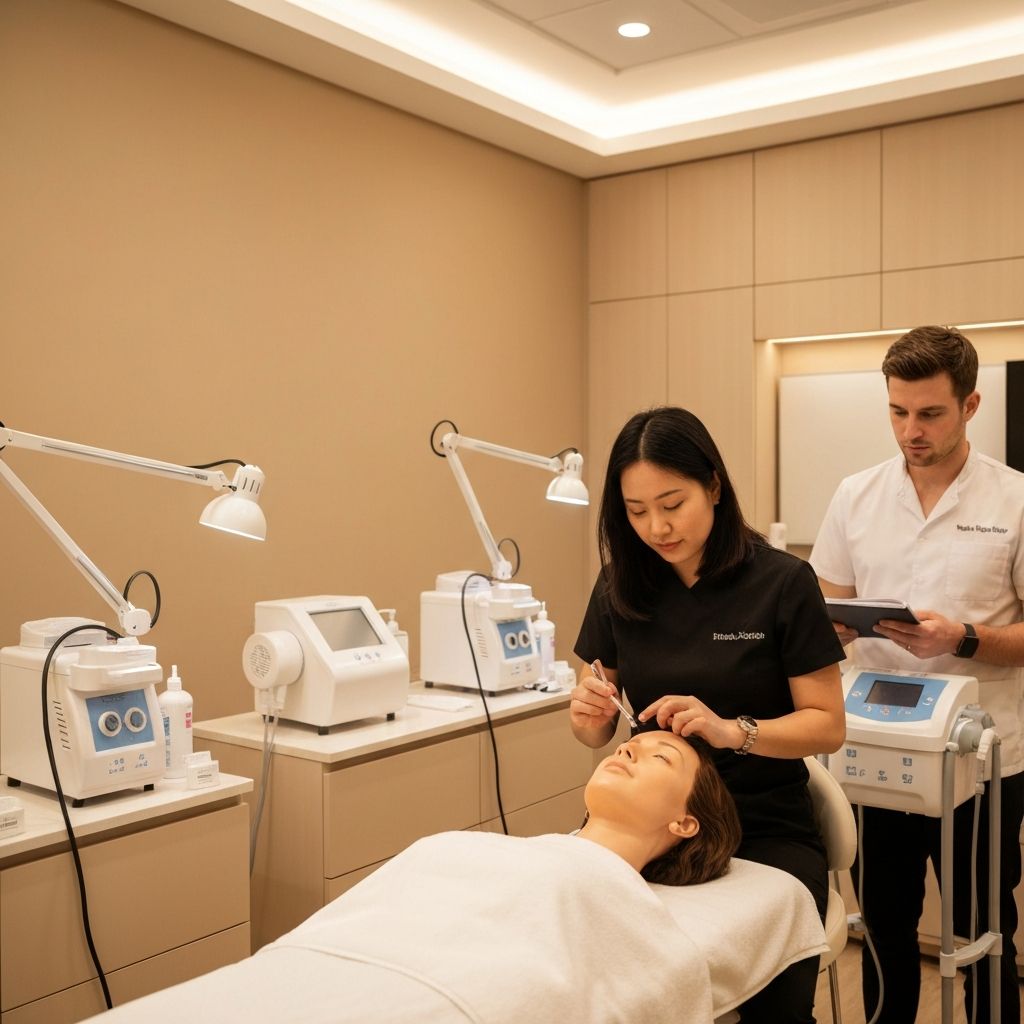
Investing in aesthetic training represents a significant financial commitment that can yield substantial career returns. Understanding financing options and planning strategies helps make quality education accessible while managing financial responsibilities.
Understanding Training Costs
Before exploring financing, understand the full cost picture for your chosen training path.
Direct Training Costs
Tuition fees vary significantly based on program type and comprehensiveness. Comprehensive diploma programs cost more than individual certifications but may represent better value per certification.
Additional Expenses
Consider materials, supplies, travel costs, and potential lost income during intensive training periods. Building a complete cost picture enables realistic planning.
Payment Options Available
Various financing approaches can make training accessible.
Payment Plans
Many training institutes offer payment plans spreading costs over time. Ask about terms, any fees, and payment scheduling to find manageable arrangements.
Personal Savings
Using savings avoids interest costs and debt. If timing allows, dedicated saving toward training costs represents the most cost-effective approach.
Personal Loans or Lines of Credit
Financial institution loans can fund training, though interest adds to total cost. Compare rates and terms from multiple lenders.
Credit Cards
Credit cards can bridge short-term gaps but typically carry high interest. Use strategically with rapid repayment plans to minimize costs.
Budgeting for Training
Strategic budgeting helps manage training investment within your overall financial picture.
Advance Planning
If possible, begin saving before training starts. Even several months of dedicated savings can reduce financing needs and associated costs.
Expense Reduction
Temporarily reducing discretionary spending can free funds for training investment. Consider training as a priority allocation during this period.
Income During Training
If maintaining employment during training, income continues. Intensive programs may require reduced work hours; plan accordingly.
Return on Investment Considerations
Frame training costs as career investment rather than pure expense.
Career Earnings Potential
Quality training enables career entry and advancement with associated compensation. Project realistic income scenarios to contextualize investment.
Long-Term Perspective
Training costs are typically recovered through career earnings within a reasonable timeframe. The investment yields returns throughout your career.
Making Your Decision
Balance financial considerations with career goals. Quality training is worth reasonable investment; ensure financing approaches remain manageable within your circumstances.
Ziba Aesthetics Training Institute
Discuss training investment with Ziba Aesthetics Training Institute. We offer various programs at different price points and can discuss payment options. Located at World on Yonge, 7191 Yonge St Unit 701, Markham, serving students from Toronto, Thornhill, Richmond Hill, and Aurora. Call (416) 318-7447 or visit aesthetictraining.ca for program pricing and options.
Frequently Asked Questions
More Mezogel Booster Articles
Continue learning about Mezogel Booster treatments and training
- Mezogel Booster Treatment in Toronto: Complete Guide
8 min read
- Mezogel Booster Training and Certification in Ontario
7 min read
- Mezogel vs Profhilo: Comparing Skin Booster Treatments
9 min read
- 10 Benefits of Mezogel Booster for Skin Rejuvenation
10 min read
- How to Perform Mezogel Booster: Injection Techniques Guide
11 min read
- Mezogel Booster Side Effects and Safety: Complete Guide
10 min read
More Laser Training Articles
Continue learning about laser training, certification, and aesthetic careers
- Laser Technician Certification in Ontario: Requirements and Training
9 min read
- Advanced Laser Training for Experienced Technicians
7 min read
- Laser Training in Thornhill: Complete Certification Guide
12 min read
- Laser Hair Removal Training in Thornhill: Get Certified
11 min read
- Laser Skin Rejuvenation Training in Thornhill
11 min read
- Best Laser Training Center in Thornhill and Toronto
11 min read
Related Programs
External Resources
- Financial Consumer Agency of Canada
Financial planning resources
- Canada Student Financial Assistance
Government student assistance information