Aesthetic Training Requirements in Ontario: What You Need to Know
A comprehensive overview of aesthetic training requirements in Ontario, covering certifications, regulatory considerations, and scope of practice for various practitioner levels.
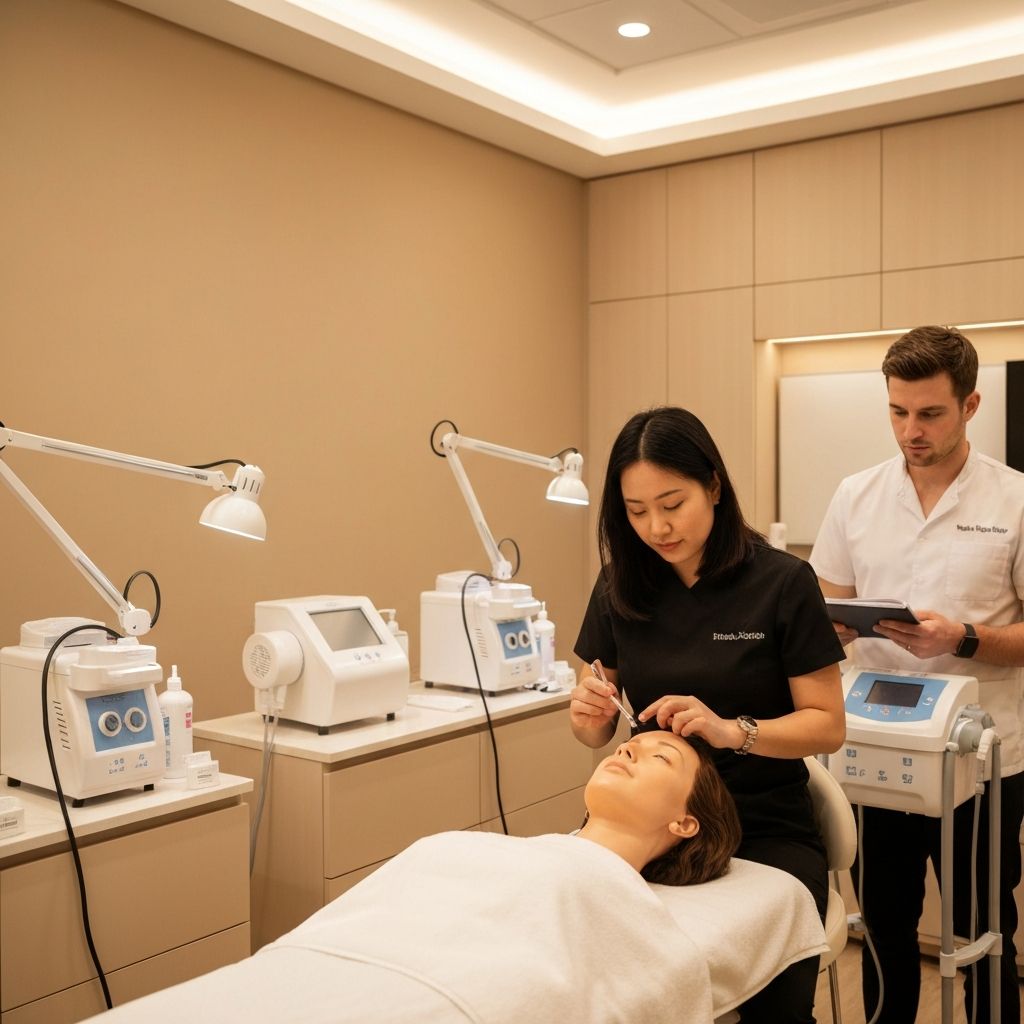
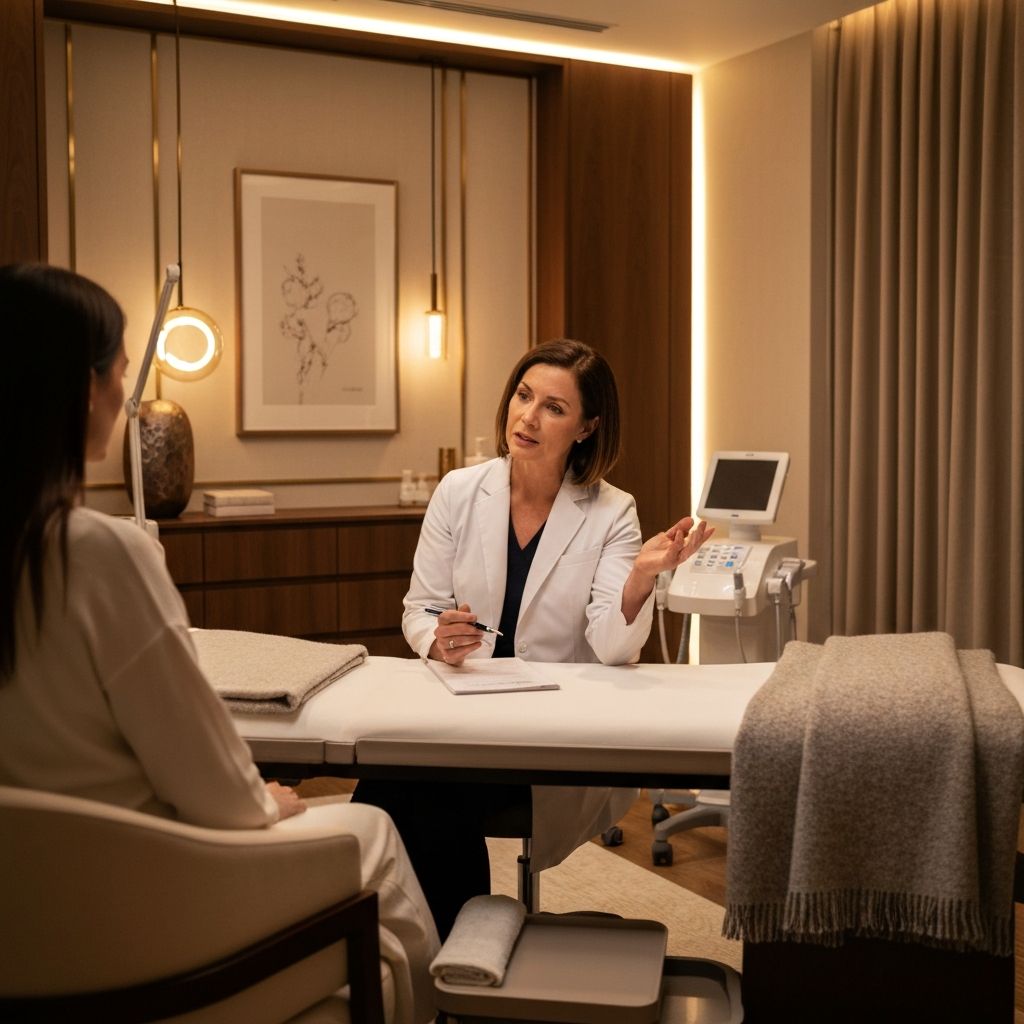
Understanding training and regulatory requirements is essential for anyone pursuing an aesthetic career in Ontario. While the aesthetic industry offers significant opportunity, practitioners must navigate certification requirements and scope of practice considerations to ensure compliant, professional practice.
Regulatory Landscape in Ontario
Ontario's aesthetic industry operates within a complex regulatory environment involving multiple oversight bodies and varying requirements depending on treatment type and practitioner credentials.
Current Regulatory Framework
Unlike some jurisdictions, Ontario doesn't have unified licensing for aesthetic practitioners. Requirements vary by treatment category, practitioner type, and practice setting.
Why Quality Training Matters
In the absence of mandatory licensing for many aesthetic services, quality training becomes even more important. Employers and clients rely on certification to verify practitioner competency.
Treatment-Specific Requirements
Different aesthetic treatments have varying requirements based on invasiveness, risk level, and regulatory oversight.
Injectable Treatments
Botox, fillers, and other injectable treatments typically require regulated healthcare credentials (physician, nurse) plus specialized aesthetic training. Medical directives govern nurse practitioners.
Laser Treatments
While Ontario doesn't mandate laser technician licensing, quality certification is industry standard. Employers require training verification before permitting device operation.
Non-Invasive Treatments
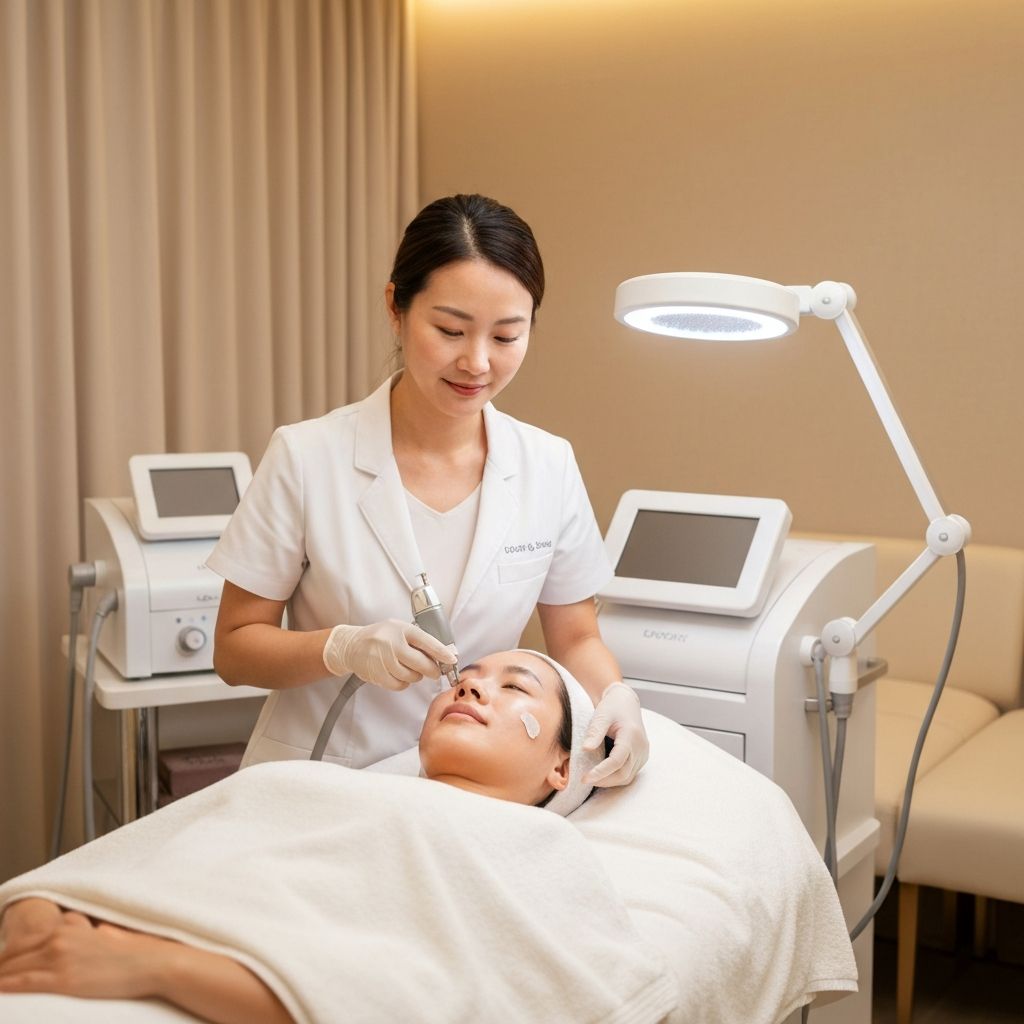
Facials, microneedling (superficial), and body treatments may have fewer regulatory requirements, but professional certification demonstrates competency and professionalism.
Practitioner Categories
Different practitioners have different scope of practice and training requirements based on their underlying credentials.
Healthcare Professionals
Physicians, nurses, and other regulated healthcare providers can perform treatments within their scope of practice with appropriate aesthetic training. College oversight governs their practice.
Aestheticians and Technicians
Aestheticians and laser technicians work within defined scopes, often under physician supervision for advanced treatments. Training certifications define their service capabilities.
Emerging Practitioners
Those new to aesthetics must understand which training paths align with their career goals and which treatments they'll be eligible to perform upon certification.
Certification vs Accreditation
Understanding the difference between certification and accreditation helps practitioners evaluate training programs and credentials.
Certification Explained
Certification indicates completion of specific training programs and demonstrated competency. Quality certifications from reputable institutes are valued by employers.
Institutional Considerations
When selecting training, research institute reputation, instructor credentials, and industry recognition. Quality varies among training providers.
Staying Compliant
Compliant practice requires understanding your scope, maintaining appropriate certifications, working within required supervision structures, and staying current with evolving regulations.
Ziba Aesthetics Training Institute
Navigate aesthetic training requirements with guidance from Ziba Aesthetics Training Institute. We provide compliant, quality certification programs for aspiring practitioners. Located at World on Yonge, 7191 Yonge St Unit 701, Markham, serving students from Toronto, Thornhill, Richmond Hill, and Aurora. Call (416) 318-7447 or visit aesthetictraining.ca for program guidance.
Frequently Asked Questions
More Mezogel Booster Articles
Continue learning about Mezogel Booster treatments and training
- Mezogel Booster Treatment in Toronto: Complete Guide
8 min read
- Mezogel Booster Training and Certification in Ontario
7 min read
- Mezogel vs Profhilo: Comparing Skin Booster Treatments
9 min read
- 10 Benefits of Mezogel Booster for Skin Rejuvenation
10 min read
- How to Perform Mezogel Booster: Injection Techniques Guide
11 min read
- Mezogel Booster Side Effects and Safety: Complete Guide
10 min read
More Laser Training Articles
Continue learning about laser training, certification, and aesthetic careers
- Laser Technician Certification in Ontario: Requirements and Training
9 min read
- Advanced Laser Training for Experienced Technicians
7 min read
- Laser Training in Thornhill: Complete Certification Guide
12 min read
- Laser Hair Removal Training in Thornhill: Get Certified
11 min read
- Laser Skin Rejuvenation Training in Thornhill
11 min read
- Best Laser Training Center in Thornhill and Toronto
11 min read
Related Programs
External Resources
- College of Nurses of Ontario
Nursing regulatory guidance
- College of Physicians and Surgeons of Ontario
Physician regulatory information
- Ontario Ministry of Health
Provincial health regulations