How to Choose the Right Aesthetic Training Program in Toronto
A practical guide to evaluating and selecting aesthetic training programs in Toronto, covering quality indicators, questions to ask, and red flags to avoid.
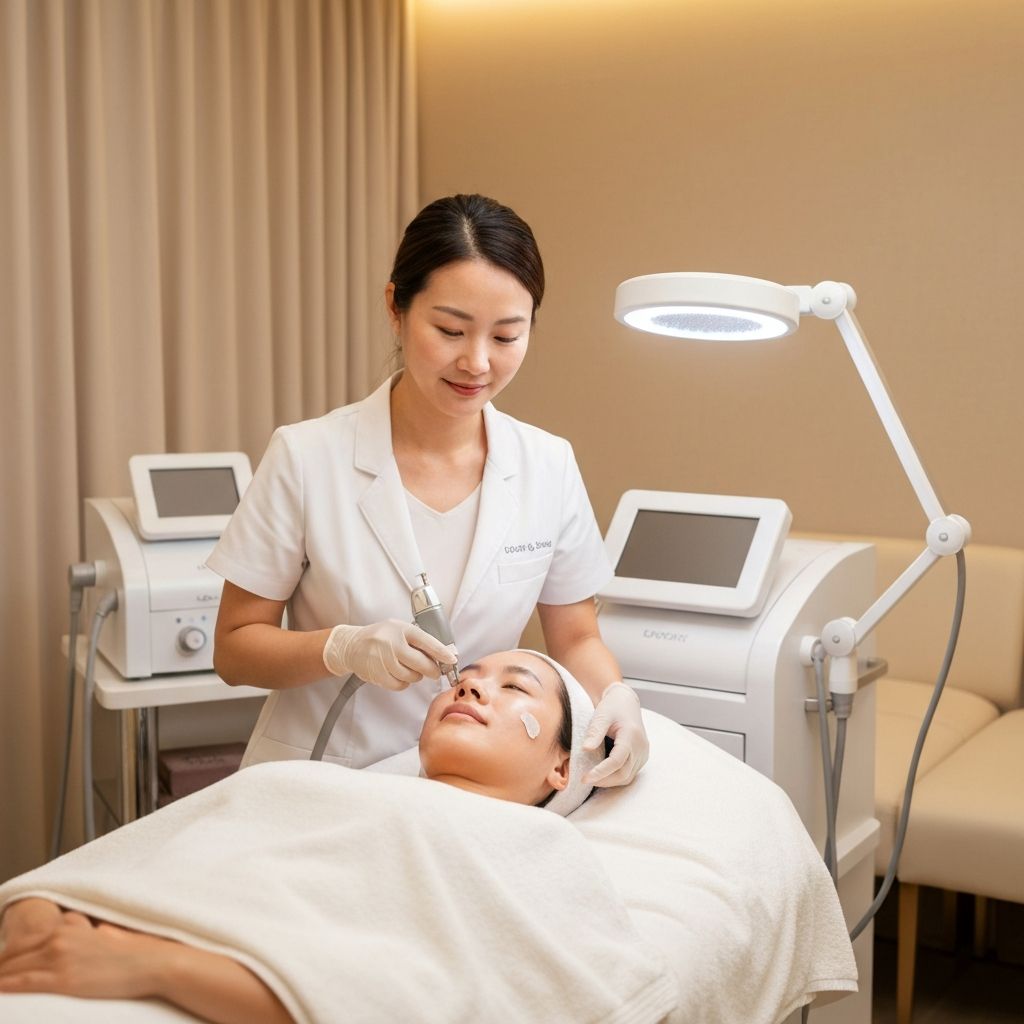
With numerous aesthetic training options in Toronto, selecting the right program can feel overwhelming. Making an informed choice requires understanding what distinguishes quality education from substandard alternatives. This guide helps you evaluate options and make confident decisions.
Understanding Quality Indicators
Certain characteristics distinguish quality aesthetic training programs from those that may not adequately prepare you for professional practice.
Instructor Credentials
Quality programs feature instructors with substantial clinical experience, not just teaching credentials. Look for practitioners actively working in the field who bring current, practical knowledge.
Curriculum Depth
Comprehensive programs cover theory and practice thoroughly. Evaluate course outlines for sufficient depth in anatomy, safety, technique, and client management.
Hands-On Training
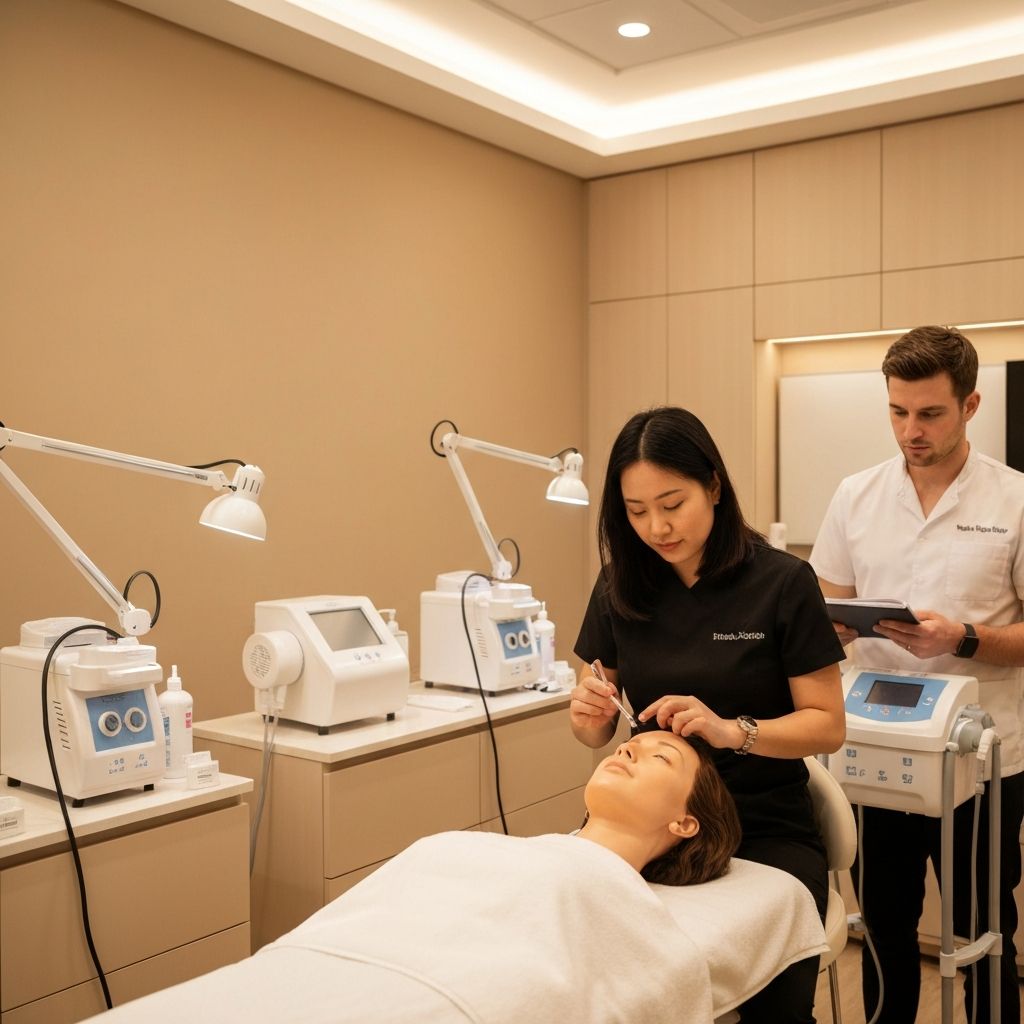
Practical skill development requires supervised practice. Programs should specify hands-on components, practice hours, and student-to-instructor ratios during practical training.
Questions to Ask Training Institutes
Direct inquiries help reveal program quality and suitability for your goals.
About the Program
Ask about curriculum content, hands-on practice hours, equipment and products used, assessment methods, and what certification is provided upon completion.
About Instructors
Inquire about instructor backgrounds, clinical experience, and ongoing professional involvement. Active practitioners bring current industry knowledge.
About Outcomes
Ask about graduate employment rates, employer partnerships, and post-graduation support services. Quality programs track and support graduate success.
Red Flags to Watch For
Certain warning signs suggest a program may not deliver quality education.
Unrealistic Promises
Be wary of guaranteed job placement, unrealistic income claims, or promises that seem too good. Quality programs are honest about realistic outcomes.
Insufficient Practice Time
Programs heavy on theory but light on hands-on practice don't adequately prepare practitioners. Practical skills require substantial supervised experience.
Vague Information
If programs can't clearly explain curriculum, instructor qualifications, or certification details, consider this a warning sign.
Practical Considerations
Beyond quality, practical factors influence program selection.
Location and Schedule
Consider commute time and scheduling compatibility with your life circumstances. Quality training requires attendance and engagement.
Cost and Value
Evaluate total cost including materials, compare with similar programs, and consider payment options. Cheapest isn't always best value.
Support Services
Consider what support is provided during and after training, including career guidance, continuing education, and professional community.
Making Your Decision
After researching options, trust your assessment of program quality, practical fit, and professional alignment. Quality training is an investment in your future success.
Ziba Aesthetics Training Institute
Experience quality aesthetic education at Ziba Aesthetics Training Institute. We welcome your questions about our programs, instructors, and outcomes. Located at World on Yonge, 7191 Yonge St Unit 701, Markham, serving students from Toronto, Thornhill, Richmond Hill, and Aurora. Call (416) 318-7447 or visit aesthetictraining.ca for a consultation.
Frequently Asked Questions
More Mezogel Booster Articles
Continue learning about Mezogel Booster treatments and training
- Mezogel Booster Treatment in Toronto: Complete Guide
8 min read
- Mezogel Booster Training and Certification in Ontario
7 min read
- Mezogel vs Profhilo: Comparing Skin Booster Treatments
9 min read
- 10 Benefits of Mezogel Booster for Skin Rejuvenation
10 min read
- How to Perform Mezogel Booster: Injection Techniques Guide
11 min read
- Mezogel Booster Side Effects and Safety: Complete Guide
10 min read
More Laser Training Articles
Continue learning about laser training, certification, and aesthetic careers
- Laser Technician Certification in Ontario: Requirements and Training
9 min read
- Advanced Laser Training for Experienced Technicians
7 min read
- Laser Training in Thornhill: Complete Certification Guide
12 min read
- Laser Hair Removal Training in Thornhill: Get Certified
11 min read
- Laser Skin Rejuvenation Training in Thornhill
11 min read
- Best Laser Training Center in Thornhill and Toronto
11 min read
Related Programs
External Resources
- Better Business Bureau
Business reputation verification
- Ontario Consumer Protection
Consumer rights information