PRP Therapy Training in Toronto: Certification Course Guide
Everything you need to know about PRP therapy training in Toronto, from certification requirements to hands-on training and career opportunities in regenerative aesthetics.
Platelet-Rich Plasma (PRP) therapy has emerged as one of the most exciting developments in regenerative aesthetics. From the popular 'vampire facial' to hair restoration treatments, PRP offers natural, effective solutions that clients increasingly demand. Proper training ensures practitioners can deliver these advanced treatments safely and effectively.
Understanding PRP Therapy
PRP therapy uses concentrated platelets from the patient's own blood to stimulate healing and regeneration. This autologous treatment harnesses natural growth factors for various aesthetic and therapeutic applications.
How PRP Works
Blood is drawn from the patient, processed to concentrate platelets, then applied or injected to target areas. The concentrated growth factors stimulate collagen production, tissue repair, and cellular regeneration.
Aesthetic Applications
PRP treats facial rejuvenation (vampire facial), hair loss and thinning, under-eye hollows, skin texture improvement, scar revision, and hand rejuvenation. The versatility makes PRP a valuable addition to any aesthetic practice.
PRP Training Curriculum
Comprehensive PRP certification covers the science behind platelet therapy, blood processing protocols, injection techniques, and treatment planning for various applications.
Theoretical Components
Theory education includes blood biology and platelet function, PRP preparation and centrifuge protocols, growth factors and their effects, patient selection and contraindications, treatment planning and protocols, safety and sterile technique, and complication management.
Hands-On Training
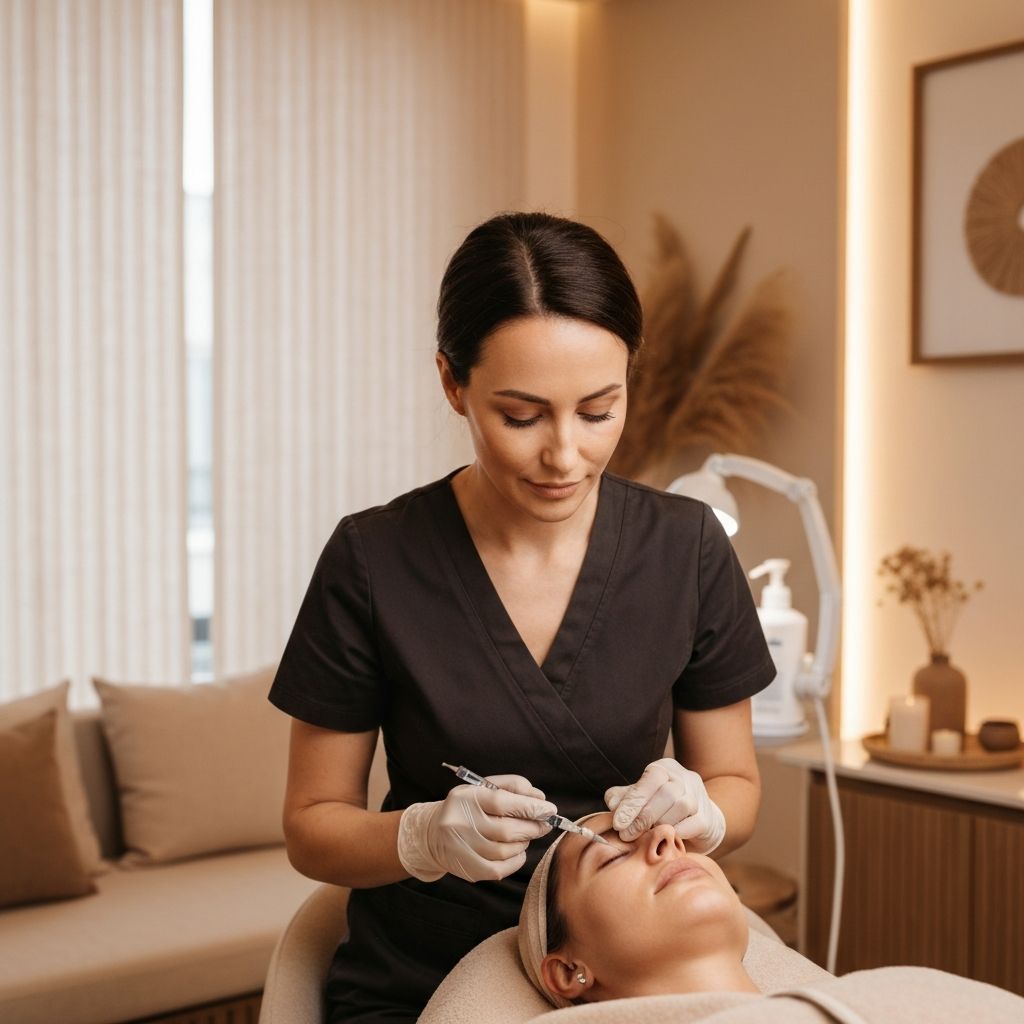
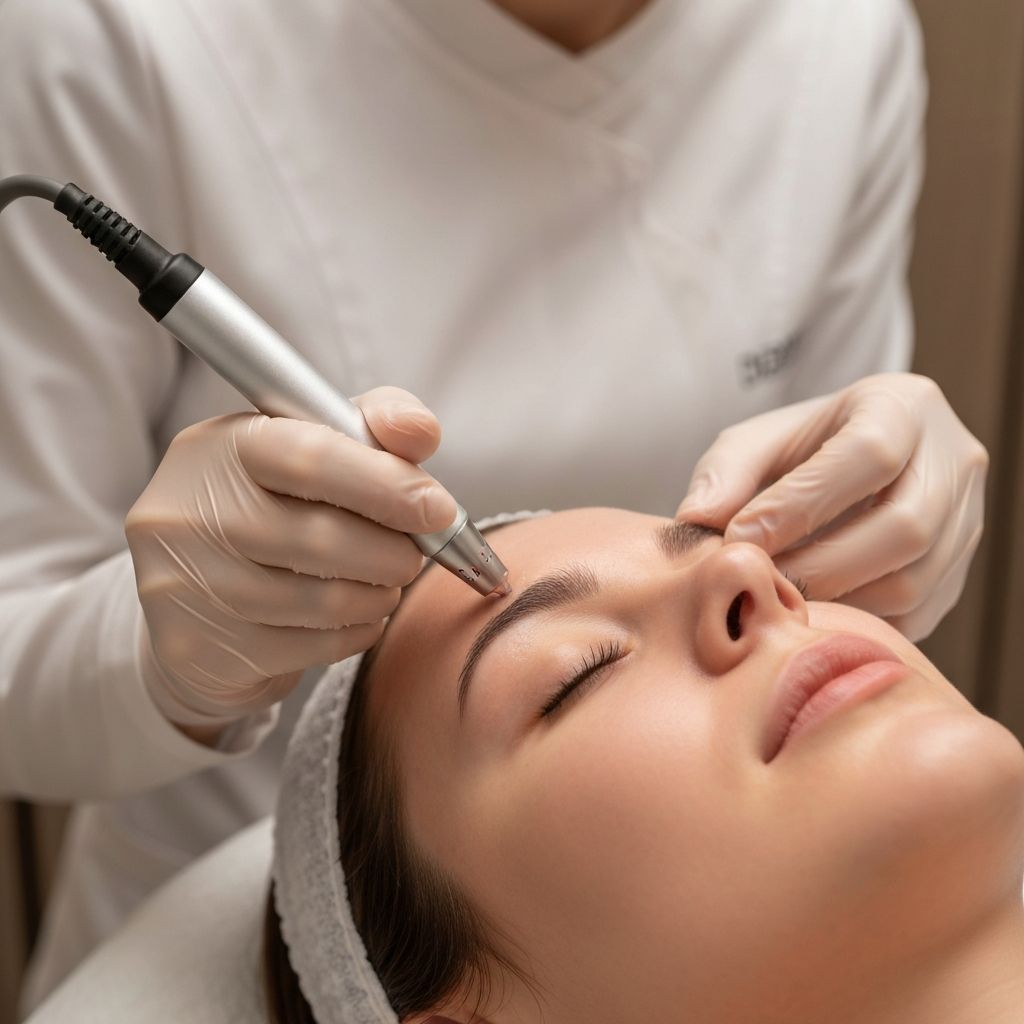
Practical training under supervision covers blood draw technique, centrifuge operation and processing, injection methods for different areas, microneedling with PRP, treatment documentation, and patient communication and consent.
Who Can Perform PRP Treatments?
PRP therapy involves blood handling and injection, making scope of practice considerations important. Requirements vary based on the treatment application and clinical setting.
Regulatory Considerations
In Ontario, PRP treatments typically require medical oversight. Physicians, nurses, and certain other healthcare professionals may perform treatments within their scope of practice. Licensing requirements may vary based on specific applications.
Training for Different Roles
Training programs accommodate various professional backgrounds. Some focus on medical professionals, while others train aestheticians to assist with or prepare PRP under physician supervision.
Career Opportunities in PRP Therapy
PRP services are increasingly offered in medical spas, dermatology practices, and specialty clinics. Training in PRP therapy expands practitioner capabilities and marketability.
Growing Demand
Client interest in natural, regenerative treatments continues to grow. Practitioners offering PRP services meet this demand while providing evidence-based treatments.
Service Integration
PRP often complements other aesthetic services. Many practitioners combine PRP with microneedling, hair restoration protocols, or facial rejuvenation packages.
Choosing PRP Training in Toronto
Select a program offering comprehensive theoretical education, hands-on practice with actual blood processing, small class sizes, and experienced instructors with clinical PRP experience.
Ziba Aesthetics Training Institute
Master PRP therapy with Ziba Aesthetics Training Institute. Our Plasma PRP Training provides comprehensive certification including blood processing, injection techniques, and treatment protocols. Located at World on Yonge, 7191 Yonge St Unit 701, Markham, we serve students from Toronto, Thornhill, Richmond Hill, and Aurora. Call (416) 318-7447 or visit aesthetictraining.ca for upcoming training dates.
Frequently Asked Questions
More Mezogel Booster Articles
Continue learning about Mezogel Booster treatments and training
- Mezogel Booster Treatment in Toronto: Complete Guide
8 min read
- Mezogel Booster Training and Certification in Ontario
7 min read
- Mezogel vs Profhilo: Comparing Skin Booster Treatments
9 min read
- 10 Benefits of Mezogel Booster for Skin Rejuvenation
10 min read
- How to Perform Mezogel Booster: Injection Techniques Guide
11 min read
- Mezogel Booster Side Effects and Safety: Complete Guide
10 min read
More Laser Training Articles
Continue learning about laser training, certification, and aesthetic careers
- Laser Technician Certification in Ontario: Requirements and Training
9 min read
- Advanced Laser Training for Experienced Technicians
7 min read
- Laser Training in Thornhill: Complete Certification Guide
12 min read
- Laser Hair Removal Training in Thornhill: Get Certified
11 min read
- Laser Skin Rejuvenation Training in Thornhill
11 min read
- Best Laser Training Center in Thornhill and Toronto
11 min read
External Resources
- Health Canada Blood Regulations
Regulatory guidelines for blood-derived treatments
- Canadian Blood Services
Resources on blood safety and handling