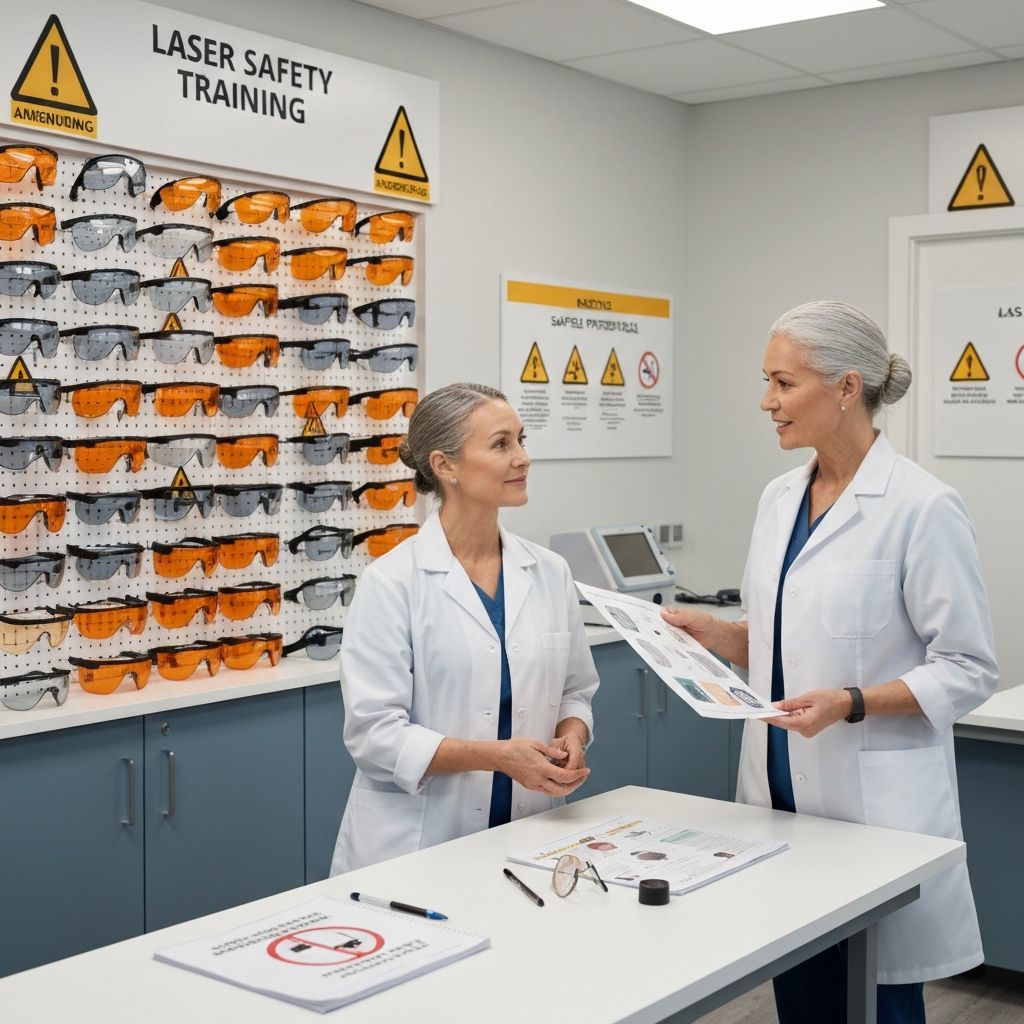
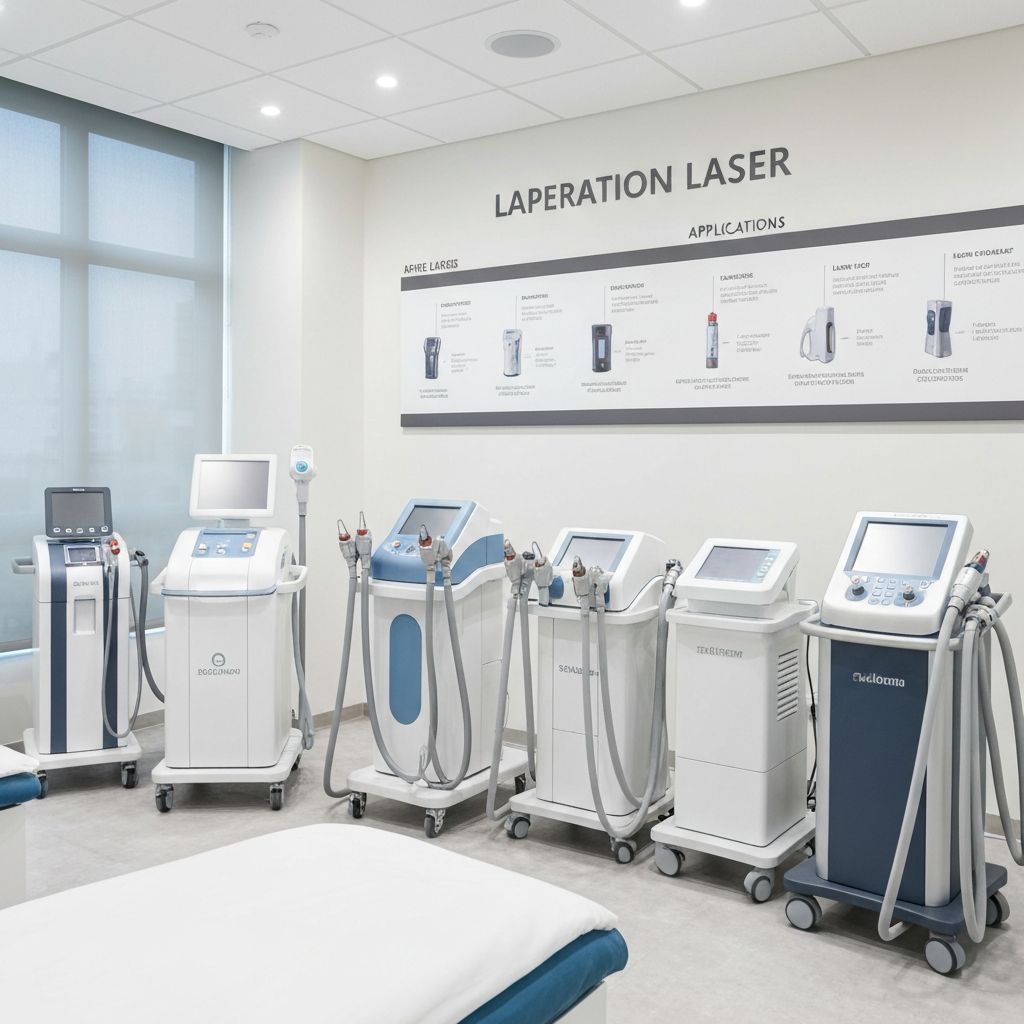
Laser Treatment Side Effects and Safety: Training Guide
Essential guide to laser treatment side effects and safety training. Learn prevention, recognition, and management of complications at Ziba Aesthetics Training.
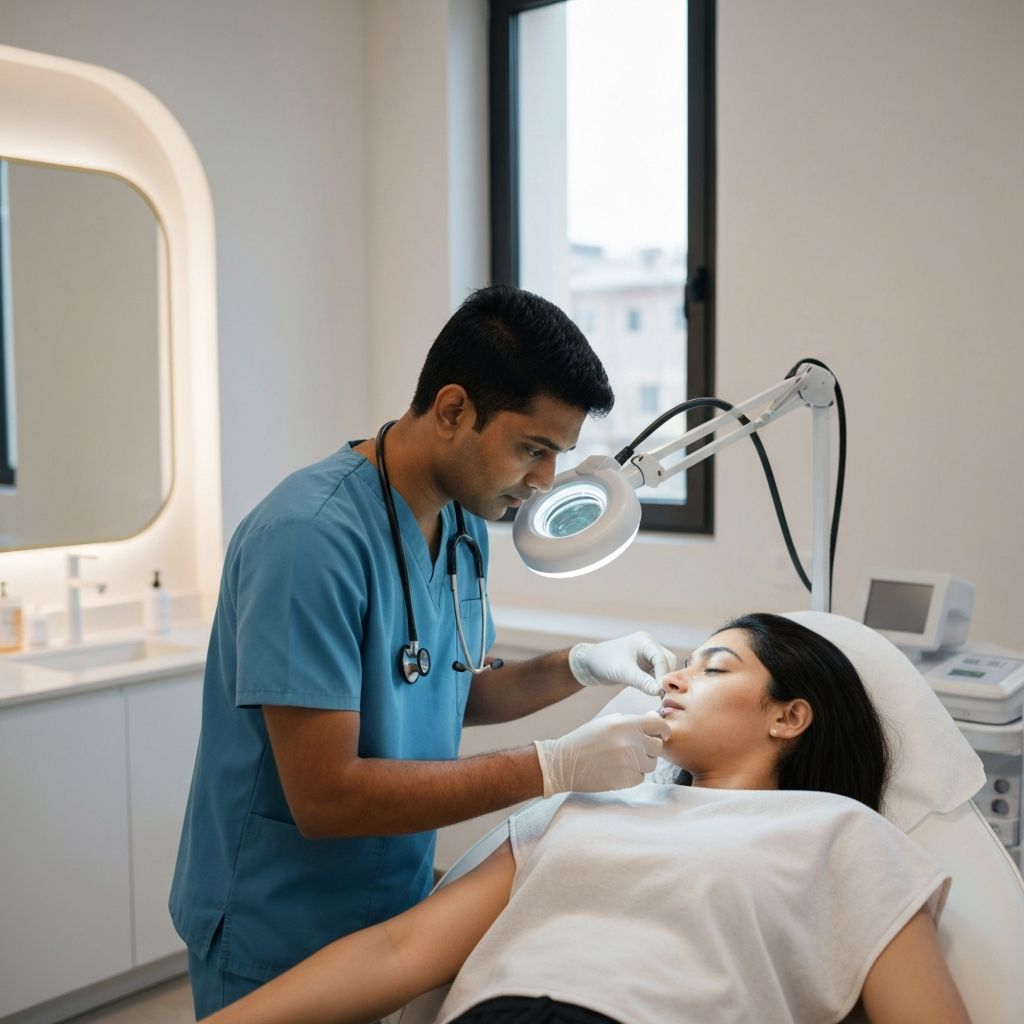
Understanding and managing laser treatment side effects is essential for every laser practitioner. Proper training in safety protocols, complication prevention, and adverse event management protects both clients and practitioners. At Ziba Aesthetics Training Institute in Thornhill, safety training is integrated throughout all our laser programs.
Common Laser Treatment Side Effects
All laser treatments carry potential for side effects. Understanding normal reactions versus concerning symptoms is essential for safe practice.
Expected Immediate Reactions
Erythema (redness), mild edema (swelling), and a warming sensation are normal immediately after most laser treatments. These typically resolve within hours to days and indicate appropriate treatment response.
Perifollicular Edema
In laser hair removal, slight swelling around hair follicles is a positive sign indicating effective follicle targeting. This subsides within hours and is not a complication.
Temporary Pigment Changes
Some darkening or lightening of treated areas may occur temporarily, especially in those with more pigmented skin. Proper patient selection and parameter settings minimize this risk.
Potential Complications
More serious complications can occur if treatments are performed improperly or on inappropriate candidates. Training addresses prevention and management.
Burns and Blistering
Burns result from excessive energy delivery or treating inappropriate skin types. Proper parameter selection, test spots, and patient screening prevent most burns. Treatment involves wound care and monitoring.
Hyperpigmentation
Post-inflammatory hyperpigmentation (PIH) can occur, especially in darker skin types. Prevention includes conservative parameters, sun avoidance, and proper patient selection.
Hypopigmentation
Loss of pigmentation can occur from excessive thermal damage to melanocytes. This complication is more difficult to treat than hyperpigmentation and underscores the importance of proper training.
Scarring
Scarring from laser treatments is rare with proper technique but can occur with burns or improper wound care. Recognizing and appropriately treating thermal injuries prevents scarring.
Prevention Strategies
Most laser complications are preventable with proper training, protocols, and patient selection.
Thorough Client Assessment
Comprehensive consultation identifies contraindications, assesses skin type, and sets realistic expectations. Never skip the assessment process regardless of client pressure.
Test Spots
Performing test spots allows assessment of skin response before treating larger areas. This is especially important for new clients, new treatment areas, or when changing parameters.
Conservative Parameter Selection
Starting with conservative settings and adjusting based on response is safer than aggressive initial parameters. Multiple conservative treatments achieve results more safely than aggressive single treatments.
Sun Exposure Management
Active tan is a major risk factor for complications. Ensuring clients avoid sun exposure before and after treatment significantly reduces adverse events.
Managing Adverse Events
When complications occur, prompt and appropriate management minimizes long-term consequences.
Immediate Burn Response
If a burn occurs, immediately cool the area, apply appropriate wound care, and document the event. Referral for medical evaluation may be necessary for significant burns.
Pigmentation Change Management
Hyperpigmentation often resolves with time, sun avoidance, and sometimes topical treatments. Hypopigmentation may be more persistent and should be referred for dermatological evaluation.
Client Communication
Honest, compassionate communication with clients when complications occur is essential. Documentation and appropriate follow-up demonstrate professional responsibility.
The Importance of Proper Training
Comprehensive training is the foundation of safe laser practice and complication prevention.
Safety-First Education
At Ziba Aesthetics Training Institute, safety is woven throughout our curriculum. Students learn to recognize risk factors and make conservative decisions that protect clients.
Hands-On Experience
Supervised hands-on practice builds the skills and judgment needed to prevent complications. Our instructors provide real-time feedback on technique and decision-making.
Continuing Education
Laser technology and safety standards evolve. Ongoing education keeps practitioners current with best practices and emerging safety information.
Ziba Aesthetics Training Institute
Learn safe laser practice at Ziba Aesthetics Training Institute in Thornhill. Our comprehensive training at 7191 Yonge St Unit 701, Markham emphasizes safety and complication prevention. Call (416) 318-7447 or visit aesthetictraining.ca to enroll.
Frequently Asked Questions
More Mezogel Booster Articles
Continue learning about Mezogel Booster treatments and training
- Mezogel Booster Treatment in Toronto: Complete Guide
8 min read
- Mezogel Booster Training and Certification in Ontario
7 min read
- Mezogel vs Profhilo: Comparing Skin Booster Treatments
9 min read
- 10 Benefits of Mezogel Booster for Skin Rejuvenation
10 min read
- How to Perform Mezogel Booster: Injection Techniques Guide
11 min read
- Mezogel Booster Side Effects and Safety: Complete Guide
10 min read
More Laser Training Articles
Continue learning about laser training, certification, and aesthetic careers
- Laser Technician Certification in Ontario: Requirements and Training
9 min read
- Advanced Laser Training for Experienced Technicians
7 min read
- Laser Training in Thornhill: Complete Certification Guide
12 min read
- Laser Hair Removal Training in Thornhill: Get Certified
11 min read
- Laser Skin Rejuvenation Training in Thornhill
11 min read
- Best Laser Training Center in Thornhill and Toronto
11 min read
Related Programs
External Resources
- Ziba Medical Aesthetics
Clinic with safety-focused practice